
About VPD Design
Responsibilityfor the work,down to the detail.
We connect aesthetic decisions with what the final photograph does not show: substrate assessment, preparation, installation details, organisation and handover of the completed surface.
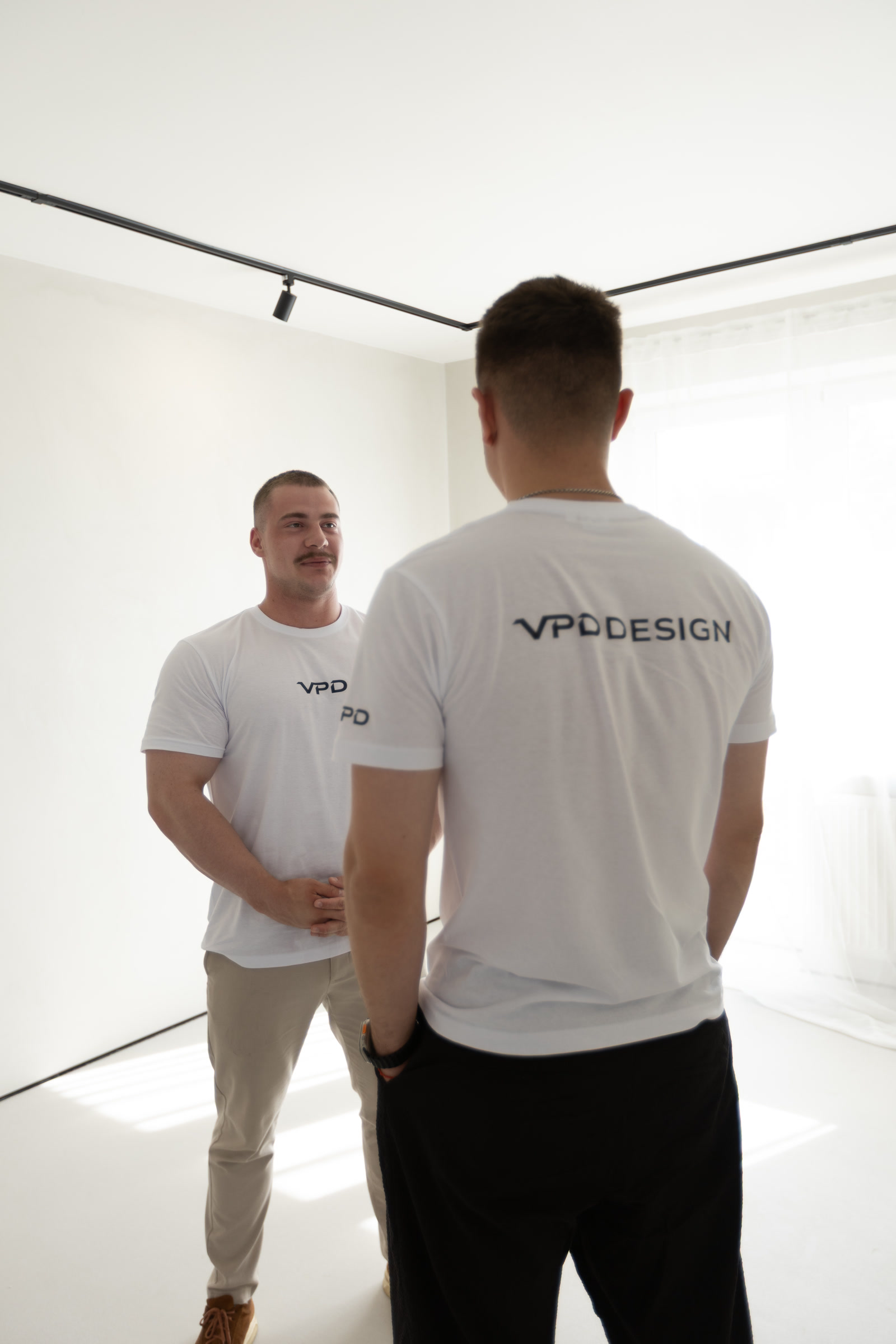
The contractor's role
We do not simply sell a material or offer one answer for every interior. We take responsibility for the agreed scope on the specific project.
On site
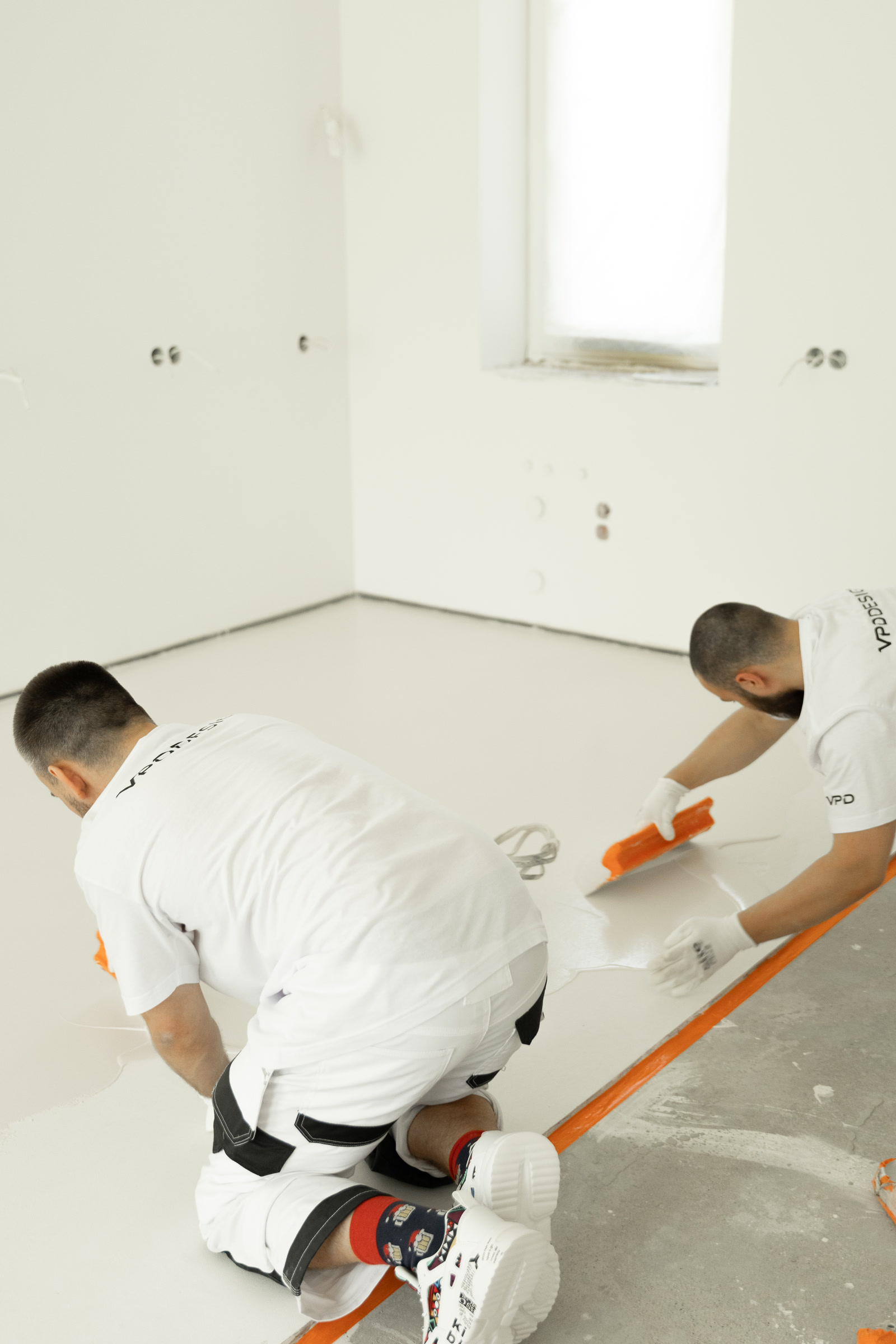
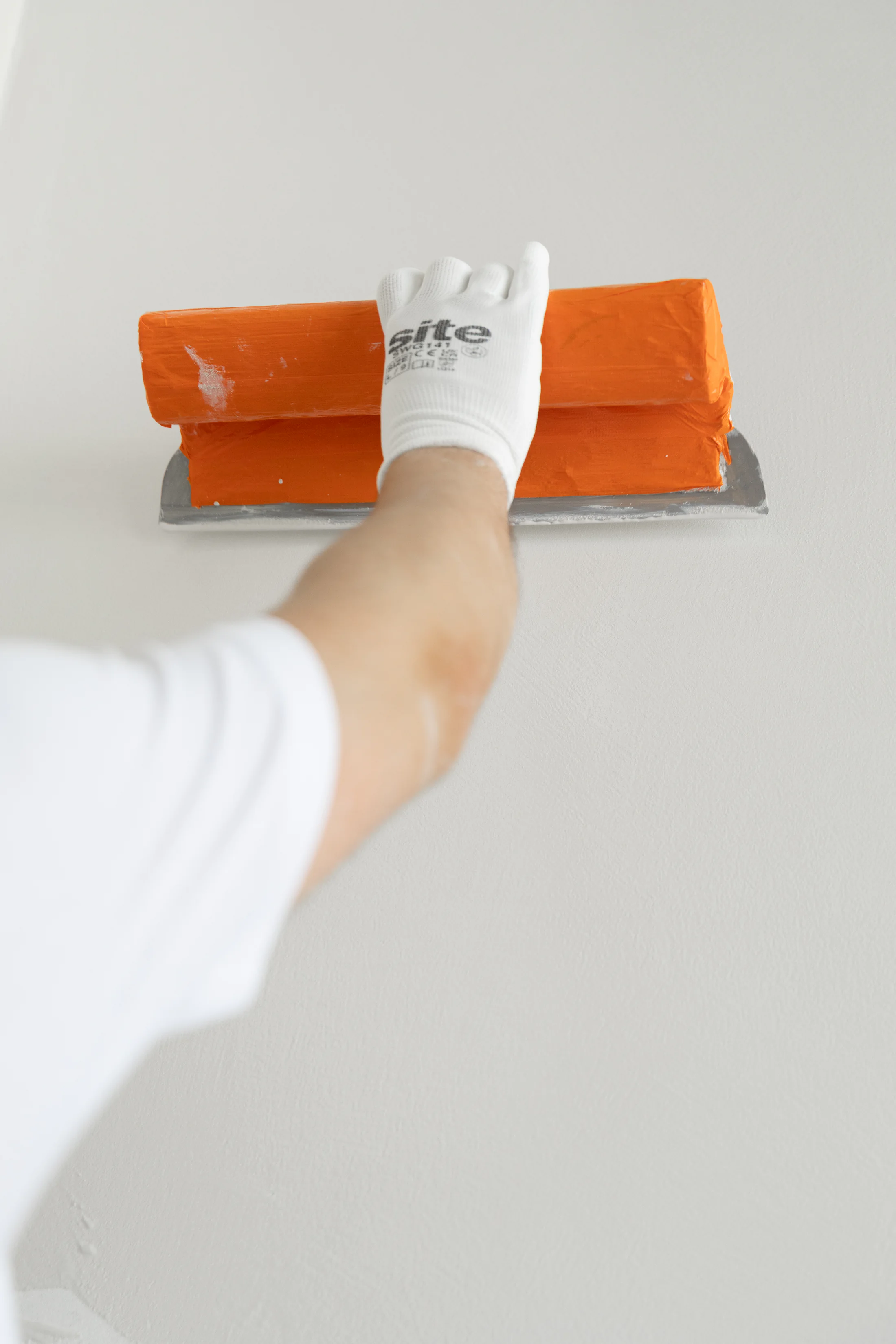
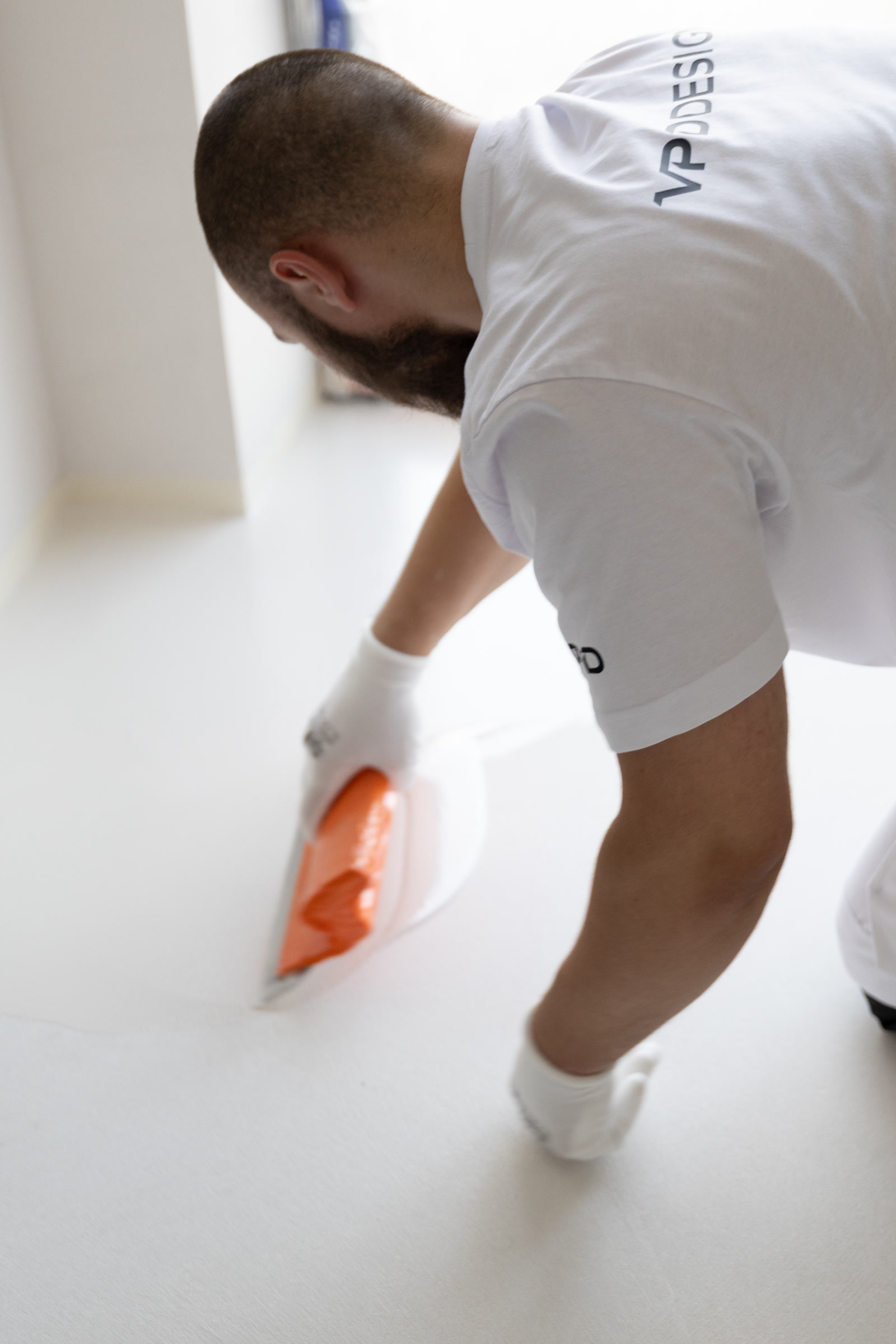
Assessment. Execution. Control of detail.
Real images show assessment, application and detail control across VPD projects.

Scope
Microcement surfaces.
Floors
Stability, geometry, movement joints and how the space will be used.
Walls
Light, texture, corners, niches and material junctions.
Bathrooms
Substrate, wet areas, falls, drains and care.
Over tiles
Stability of the existing surface and the layers below.
Stairs
Structure, treads, risers, edges and landing.
Clear scope
Responsibility begins before work starts.
- which surfaces the offer covers
- which substrate condition has been assumed
- which preparation belongs to VPD Design's scope
- what remains the responsibility of the client or other trades
- how decisions, changes and handover are agreed
Before work begins, we agree the contact roles, boundaries of the work and how changes and handover will be managed.
Two ways to collaborate
We respect an existing design and help where the surface needs to be resolved.
Four principles
How do we approach a surface?
Conditions first
An inspiration image says nothing about substrate stability. We begin with what exists.
Then the detail
A corner, drain or edge is agreed as part of the scope, not resolved at the very end.
A hand-applied effect
A sample defines the direction; natural movement and tool marks remain part of the surface.
Information after handover
Care and use need to match the application and protection agreed for the project.
Business profile
Find VPD Design on Google.
Initial assessment
Let’s start with your project.
Send photos of the surface, approximate area, substrate, location and preferred timing. If you have a design, you can also include a plan or visualisation.
Enough to get started
- photos of the whole surface and its details
- approximate area
- substrate, or “I don't know”
- location and preferred timing